Case of known Warthin tumour and smoker incidentally found to have a left upp...See More
Jul 22, 2026
Integrated lung, sleep, and critical care tailored to you

Expert chest physician helping you breathe cleaner, live better

Compassionate care for every breath, from diagnosis to recovery

.png)
.png)
.png)
About Us
years of Experience
Bronchoscopies
Pleural Tappings
Happy Patients






Comprehensive, Compassionate & Cutting-Edge Solutions for Lung Health


Stay informed with our latest updates, posts, announcements, and healthcare news
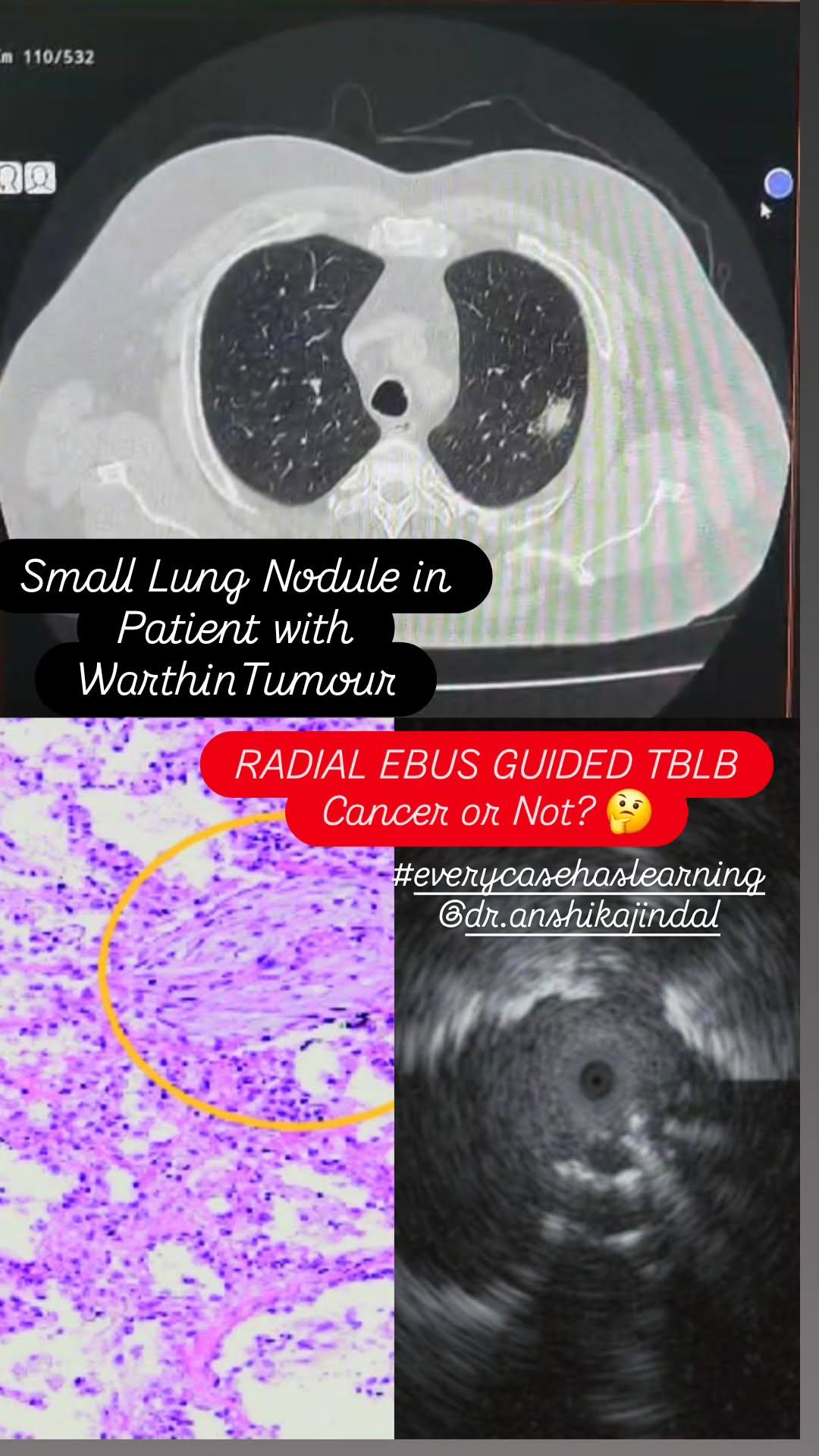
Case of known Warthin tumour and smoker incidentally found to have a left upp...See More
Jul 22, 2026
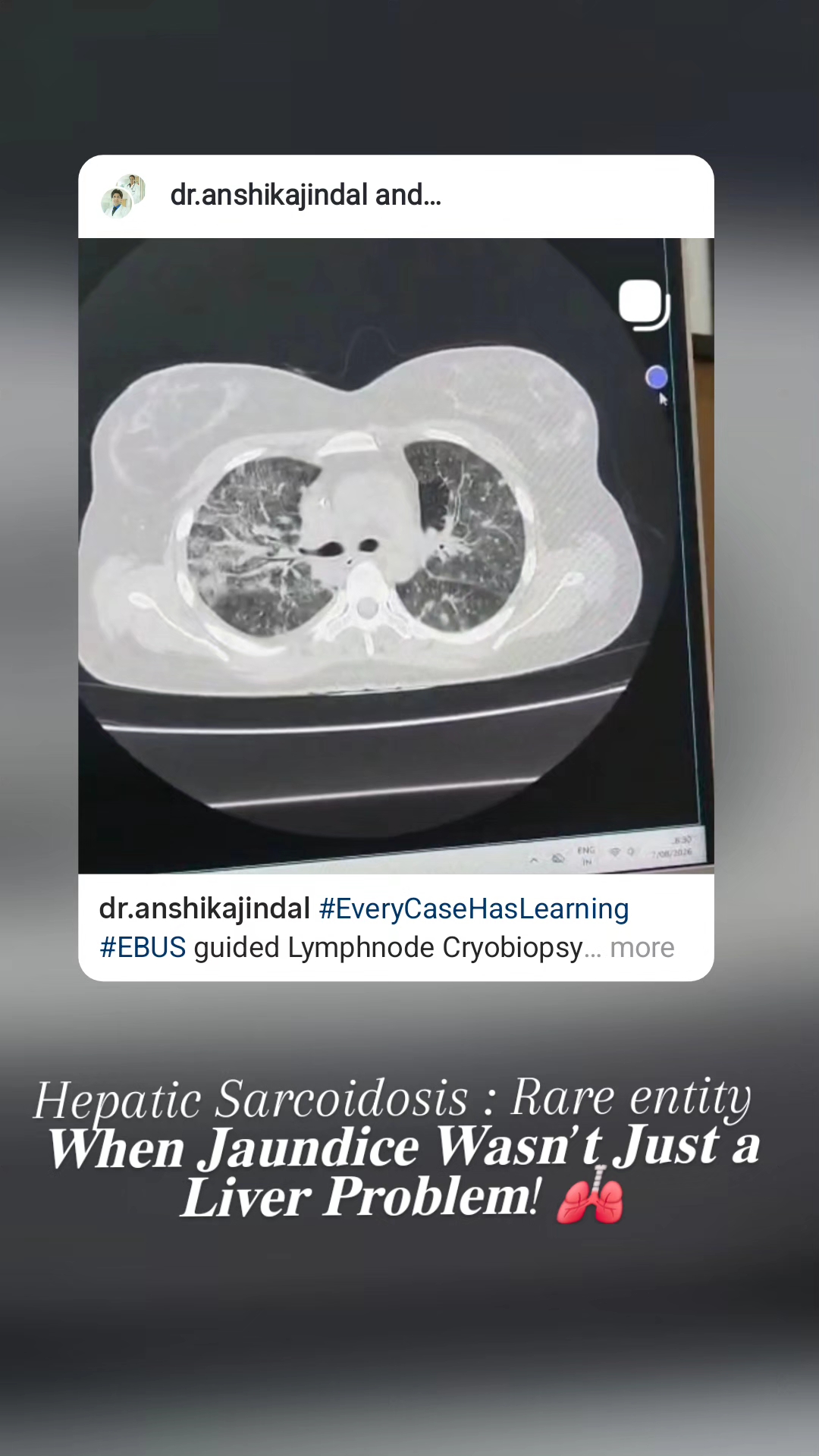
CT Chest:b/l ggos with interstitial thickening, mediastinal lymphadenopathy. CT...See More
Jul 18, 2026
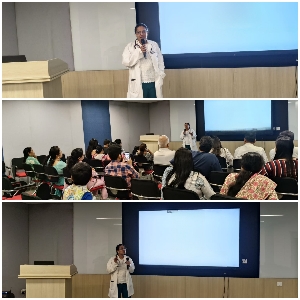
Today’s health talk focuses on lung health—how our lungs work, common problems l...See More
Apr 17, 2026
Chest Physician, Pulmonologist
 (2).png)
What our Patients says about us
Dr. Anshika is highly approachable and understands the urgency of matter at hand. During the time of pandemic, she has been very prompt. She is a tremendous help to our family. Absolutely reliable and highly recommended. The best in Pulmonary and the best in Gurgaon.

Seeing Dr. Anshika was one of the best decisions i have made. I have suffered with asthma all my life but after consulting w Dr. Anshika i can honestly say i have never felt better. I don’t usually post google reviews but with her i just had too. If you’re having asthma or anyother chest issues I’d highly recommend her.
One of the best Pulmonologist in Gurgaon. Her diagnosis is brilliant and she opts for treatment with minimal drugs. Well balanced treatment. I would definitely recommend her.
She is the best pulmonologist in Gurgaon. She gives proper time to each of her patients despite her busy schedule and treats them with best practices available in the medical field.
Dr Anshika is one of the best pulmonologist in the area. Her knowledge is excellent . Her humble nature and efforts to make her patients satisfied is commendable.
One of the best pulmonologist in gurgaon Doctor consult her patient very patiently. Her diagnosis is perfect specially asthama
Our Latest Videos
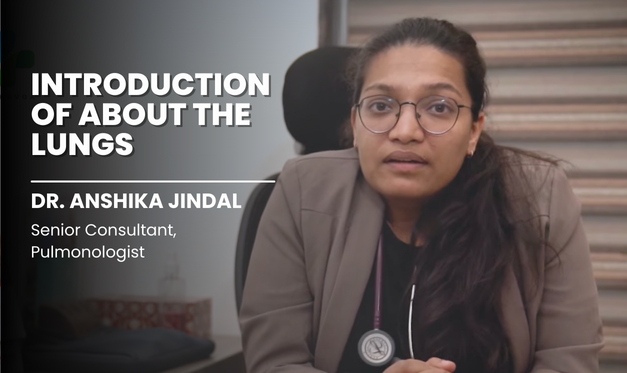


Need Answers? Find them here...
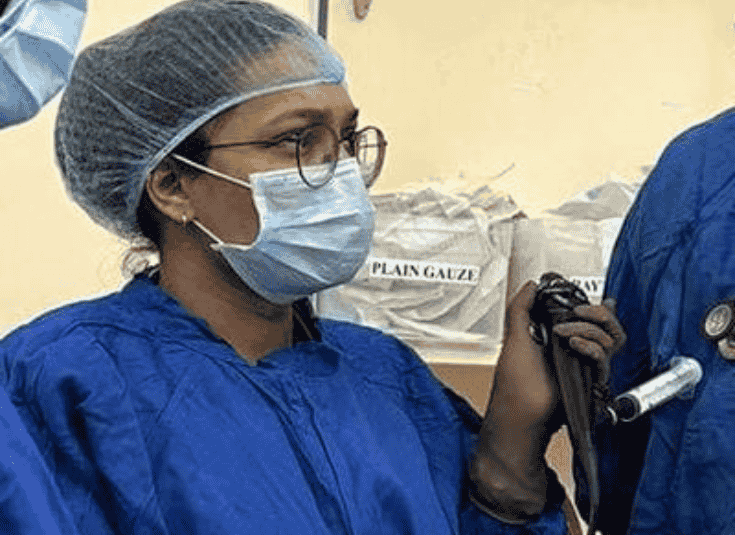
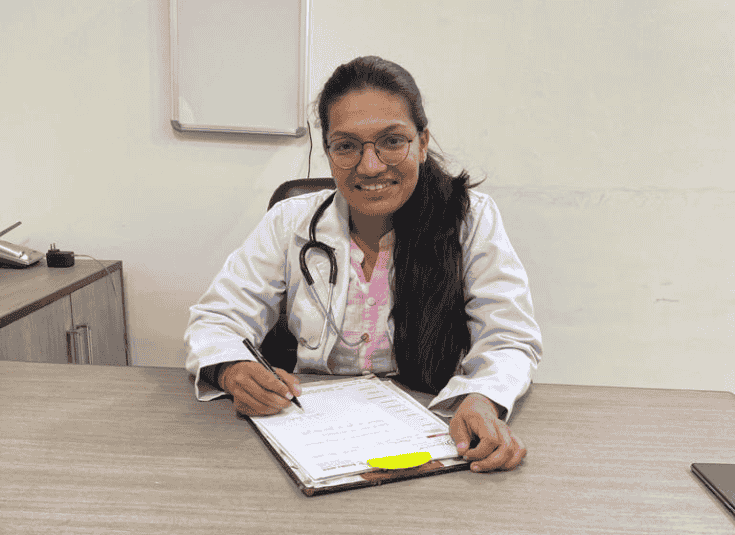
Dr. Anshika Jindal is a distinguished Pulmonologist, Critical Care & Sleep Medicine Specialist at Artemis Hospital, Gurugram, Haryana. She holds an MBBS from SDM Medical College, an MD in Respiratory Medicine from SMS Medical College where she was a Gold Medalist, and a DNB in Pulmonary Medicine. Her advanced skills in interventional pulmonology and experience with critically ill COVID-19 patients showcase her proficiency in managing complex respiratory conditions.
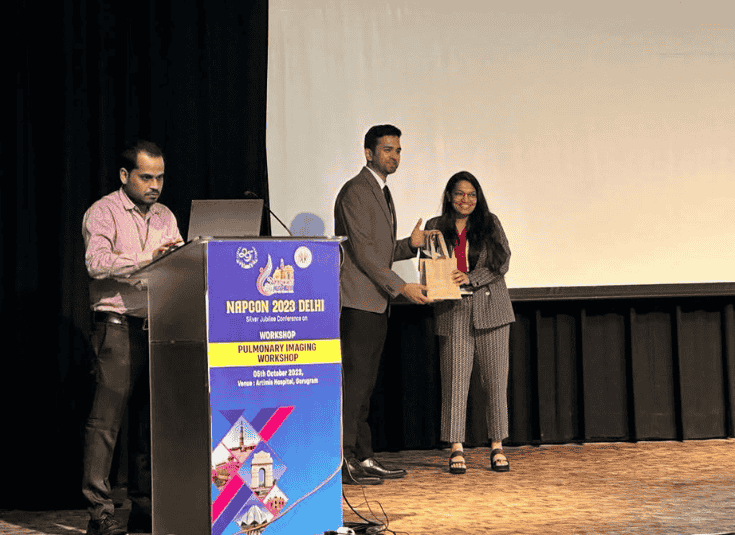
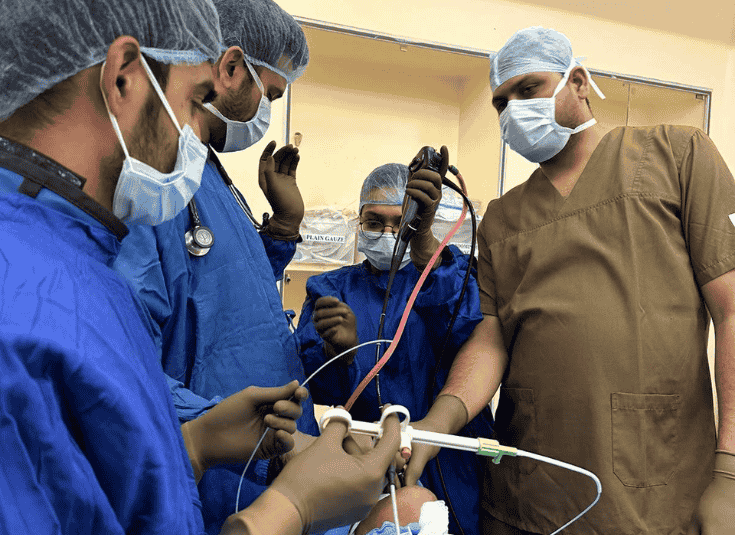
Dr. Anshika Jindal has significant expertise in advanced interventional pulmonology procedures such as bronchoscopy and EBUS-FNAC. She effectively manages respiratory conditions like asthma, COPD, and sleep apnea. Her commendable work during the COVID-19 pandemic involved treating over 100 critically ill patients. Recognized for her clinical excellence with awards and publications, Dr. Jindal is a dedicated member of the NCCP Rajasthan Chapter, committed to providing patient-centric respiratory care.
Interventional Pulmonology Procedures involve advanced diagnostic and therapeutic techniques to manage complex respiratory diseases. A chest physician in New Delhi may provide procedures such as bronchoscopy, endobronchial ultrasound (EBUS), and pleuroscopy. These procedures help in diagnosing and treating airway disorders, lung cancer, and pleural diseases. They are minimally invasive and aim to reduce the need for open surgical interventions, offering improved patient outcomes.
A pulmonologist in New Delhi focuses on personalized care for Asthma and COPD Management through comprehensive assessment and tailored treatment plans. This includes prescribing inhalers, bronchodilators, and steroids, along with patient education on avoiding triggers. Pulmonary rehabilitation and regular monitoring are essential components to improve lung function and quality of life. The specialist may employ spirometry and other diagnostic tools to track disease progression and adjust treatments accordingly.
Respiratory medicine specialists in New Delhi treat a variety of respiratory infections including pneumonia, bronchitis, and tuberculosis. They employ diagnostic tools like chest X-rays, sputum culture tests, and pulmonary function tests to accurately identify the infection. Treatment involves antibiotics, antivirals, or supportive care depending on the infection type. Specialists also emphasize prevention through vaccinations and strategies to boost the immune system, especially for high-risk patients.
Specialists in New Delhi manage Interstitial Lung Diseases (ILDs) through a combination of clinical evaluation, imaging, and lung biopsies for accurate diagnosis. Treatment plans for ILDs often involve corticosteroids, immunosuppressive drugs, and antifibrotic therapies depending on the specific condition. Multidisciplinary collaboration with rheumatologists and other healthcare providers is often necessary. Pulmonary rehabilitation and regular follow-ups are crucial to monitor disease progression and adapt treatments as needed.
Pulmonologists address Sleep-Related Breathing Disorders by conducting comprehensive sleep studies and offering treatments like CPAP (Continuous Positive Airway Pressure) therapy. Disorders such as obstructive sleep apnea, central sleep apnea, and hypoventilation syndromes can lead to chronic health issues if untreated. Specialists in New Delhi emphasize lifestyle modifications, weight management, and positional therapy in conjunction with technological solutions to ensure patients achieve restful sleep and reduce associated risks.
In Pulmonary Oncology, pulmonologists are integral in the early detection and management of lung cancer. They utilize diagnostic tools like low-dose CT scans and bronchoscopy to detect malignancies. Treatment approaches include coordinating with oncologists for surgery, chemotherapy, and radiation, or utilizing targeted therapies and immunotherapy. Pulmonologists provide continuous care through monitoring, managing symptoms, and supporting the patient’s overall lung health to improve quality of life amidst treatment.
Chest physicians in New Delhi recommend smoking cessation strategies such as nicotine replacement therapy, prescription medications, and behavioral counseling to aid in quitting smoking. They highlight the significance of avoiding environmental pollutants that exacerbate lung conditions. Educational sessions on the effects of air pollution, community awareness programs, and promoting the use of air purifiers and masks are part of the comprehensive strategy. These interventions significantly reduce the incidence of pollution-related lung issues.
Pulmonologists in New Delhi tackle cardiopulmonary diseases with integrated care. This involves collaboration with cardiologists to manage conditions like pulmonary hypertension, heart failure-related respiratory issues, and cor pulmonale. They use echocardiograms, cardiac MRI, and CT angiography for diagnosis. Management includes medications like vasodilators, anticoagulants, and oxygen therapy. Specialists offer lifestyle advice and pulmonary rehabilitation to improve heart and lung function, enhancing patients' overall quality of life.
Evaluation of Haemoptysis by a respiratory specialist involves identifying the underlying cause of coughing up blood. It includes a thorough patient history, physical examination, imaging studies like chest X-rays or CT scans, and bronchoscopy if necessary. Common causes include infections, malignancies, and pulmonary embolism. Treatment targets the underlying condition, ranging from antibiotics to surgical interventions. Regular monitoring and follow-up are important to ensure effective management and to prevent recurrence.
Respiratory medicine specialists play a crucial role in preventing respiratory infections by advocating for vaccinations such as those against influenza and pneumonia. They encourage good hygiene practices, including frequent hand washing and wearing masks in crowded areas. Specialists educate patients on recognizing early symptoms and seeking prompt medical attention. They also advise on lifestyle modifications like quitting smoking and improving indoor air quality, which are pivotal in reducing the risk of infections.
 Address :Max Hospital, Plot No. 1, Sector 10 Dwarka, Dwarka, South West Delhi 110075, Delhi